
The Most Overlooked Components in Garage Door Maintenance

Description: |
|
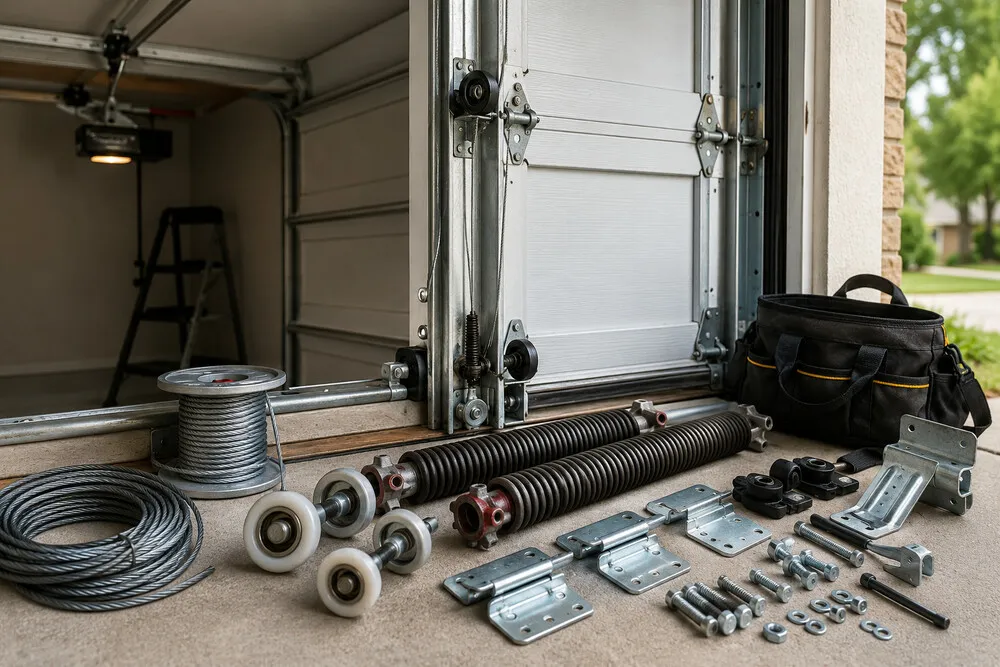
| Most homeowners understand the importance of maintaining visible parts of their homes. Roofs are inspected, HVAC systems are serviced, and plumbing issues are addressed before they become major problems. Yet one of the most heavily used systems in many homes often receives little attention until something breaks: the garage door. A garage door may open and close several times every day, quietly performing its function without attracting much notice. Because of this reliability, many homeowners assume that occasional cleaning is enough to keep the system in good condition. In reality, a garage door is a complex assembly of interconnected components that work together under significant tension and stress. When even one of these parts begins to wear out, it can affect the performance and safety of the entire system. Understanding the most commonly overlooked components can help homeowners avoid expensive repairs, reduce safety risks, and extend the lifespan of their garage door systems. Why Garage Door Maintenance Matters A garage door is one of the largest moving objects in a home. Its operation depends on a balance of mechanical parts working in harmony. Neglecting routine maintenance often leads to increased wear, noisy operation, reduced efficiency, and unexpected failures. Preventive maintenance offers several advantages. It improves safety, reduces the likelihood of emergency repairs, extends the life of critical components, and helps homeowners identify small issues before they become costly problems. While rollers and tracks often receive attention during inspections, several other hardware elements are frequently ignored despite their essential roles. Garage Door Cables Among the most critical yet overlooked components are the lifting cables. These cables support the door's weight and work alongside the spring system to ensure smooth movement during opening and closing. Over time, cables can become frayed, corroded, or weakened due to constant use and environmental exposure. Even minor signs of wear can eventually lead to failure. A broken cable may cause the door to become unbalanced, difficult to operate, or completely inoperable. Homeowners should visually inspect garage door cables regularly for fraying, rust, or unusual wear patterns. Replacement should always be performed promptly when damage is detected. When sourcing replacement cable assemblies and related hardware, many professionals rely on established suppliers such as Fehr Bros. to ensure component quality and compatibility. Cable Drums Cable drums are another essential part that often escapes notice. Located at the ends of the torsion shaft, these drums guide the cables as they wind and unwind during operation. Because they are not immediately visible from ground level, homeowners rarely inspect them. However, worn grooves, corrosion, or physical damage can interfere with proper cable alignment. Misalignment increases stress on both the cables and the spring system, potentially causing premature failure. Routine inspections should include checking for visible wear, debris accumulation, and signs that the cables are not winding evenly across the drum surface. Torsion Springs Many people have heard of garage door springs, but few understand how crucial they are to the system's operation. Torsion springs counterbalance the weight of the door, making it possible to lift manually or with an automatic opener. These springs endure tremendous stress throughout their lifespan. Each opening and closing cycle contributes to metal fatigue. Eventually, even high-quality springs reach the end of their service life. Warning signs of spring wear include: Increased effort required to lift the door Jerky or uneven movement Gaps appearing in the spring coils Excessive noise during operation Because torsion springs operate under extreme tension, inspections and replacements should be handled by trained professionals whenever significant issues are suspected. Extension Springs Some garage doors use extension springs instead of torsion springs. These springs stretch and contract as the door moves. Like torsion springs, extension springs can wear out over time. They are particularly susceptible to corrosion and metal fatigue. Safety cables should always be installed alongside extension springs to reduce hazards if a spring breaks unexpectedly. Homeowners should periodically check for signs of rust, stretching, or uneven tension. Any visible damage warrants professional evaluation. Bearings and Bearing Plates Bearings play a vital role in reducing friction throughout the garage door system. They support rotating shafts and help ensure smooth movement. Because bearings are relatively small components, they are often forgotten during maintenance routines. However, worn bearings can cause grinding noises, increased strain on other parts, and reduced operational efficiency. Bearing plates should also be inspected for signs of wear, looseness, or corrosion. Proper lubrication helps extend bearing life and improve overall system performance. Hinges Hinges connect individual door panels and allow the door to bend as it travels along the track. Over time, repeated movement can cause hinges to loosen, crack, or wear unevenly. Damaged hinges may result in misalignment, unusual noises, or difficulty opening and closing the door. Since each hinge supports a portion of the door's weight, even minor damage can affect overall performance. Routine inspections should include checking mounting hardware, tightening loose fasteners, and replacing damaged hinges before they compromise structural integrity. Rollers Although rollers receive more attention than some other components, they are still frequently neglected until obvious problems develop. Rollers guide the door along the tracks during operation. Worn rollers create excess friction, increase noise, and place additional strain on the opener. Signs that rollers may need replacement include: Visible cracks or chips Excessive wobbling Grinding noises Rough movement along the tracks Modern nylon rollers often provide quieter operation and longer service life compared to older metal alternatives. Tracks Garage door tracks guide the door's movement and maintain alignment throughout operation. Because they appear sturdy and stationary, homeowners often assume they require little attention. However, tracks can become bent, dirty, or misaligned over time. Even small deviations can affect the door's balance and performance. Regular maintenance should include cleaning debris from the tracks, checking mounting brackets, and ensuring proper alignment. Lubricants should generally not be applied directly to track surfaces, as they can attract dirt and create additional problems. Fasteners and Mounting Hardware Vibration from daily use gradually loosens nuts, bolts, brackets, and other mounting hardware. These components may seem insignificant individually, but collectively they help maintain structural stability throughout the system. Loose hardware can contribute to rattling noises, misalignment, and accelerated wear on larger components. During routine maintenance, all accessible fasteners should be inspected and tightened as necessary. Replacing corroded or damaged hardware can also help preserve long-term reliability. Weather Seals Weather seals are often viewed primarily as energy-efficiency components, but they also play a role in protecting garage door hardware. Damaged seals allow moisture, dirt, and pests to enter the garage. Increased exposure to moisture can accelerate corrosion of cables, springs, bearings, and other metal parts. Homeowners should inspect bottom seals, side seals, and top weather stripping periodically. Replacing worn seals helps protect both the garage environment and the door system itself. The Importance of Lubrication One of the simplest yet most effective maintenance practices is proper lubrication. Many garage door components rely on lubrication to minimize friction and reduce wear. Areas that typically benefit from lubrication include: Roller bearings Hinges Springs Bearings Pivot points Using a lubricant specifically designed for garage door systems helps ensure optimal performance. Excessive lubrication should be avoided, as it can attract dust and debris. Creating a Preventive Maintenance Routine A proactive maintenance schedule does not need to be complicated. A simple inspection every few months can identify developing issues before they become major failures. A basic routine should include: Visual inspection of cables and springs Examination of drums and bearings Tightening loose hardware Checking roller condition Inspecting tracks for alignment Testing door balance Lubricating moving components Evaluating weather seals Professional inspections can provide additional peace of mind, especially for components operating under significant tension. Conclusion Garage door maintenance involves far more than keeping tracks clean and ensuring the opener functions properly. Critical components such as cables, drums, springs, bearings, hinges, and mounting hardware often go unnoticed until a breakdown occurs. By paying attention to these overlooked parts and addressing wear before failure occurs, homeowners can improve safety, reduce repair costs, and significantly extend the life of their garage door systems. Consistent preventive maintenance remains one of the most effective ways to protect the performance and reliability of this essential household feature. |
|
Members profile: |
|
| Advertised by: | Katie White (click here to see full profile) |
| Email: | Email Advertiser |
Ad Details |
|
| Garage Spaces (put 0 if this does not apply) | 0.00 |
| Price: | $0 USD |
| Ad id: | 20345328 |
| Views: | 21 |