
8 Attainable Open-Air Cars for Spring Driving Fun


Description: |
|
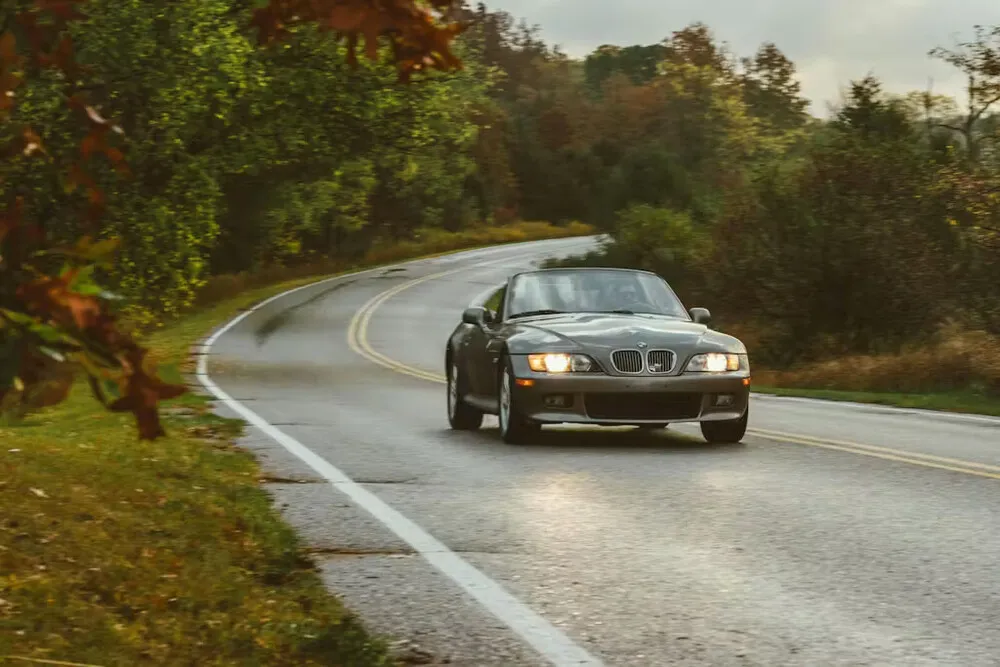
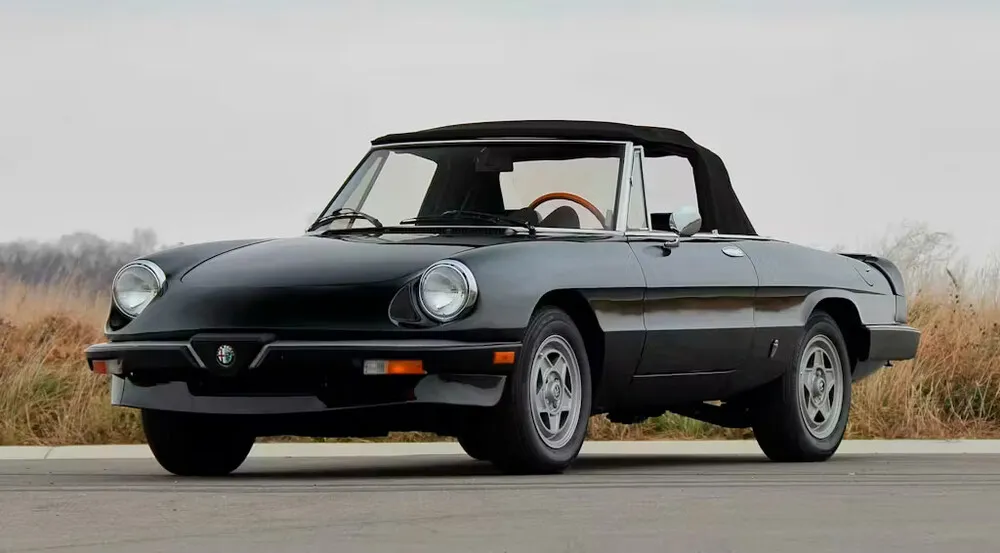
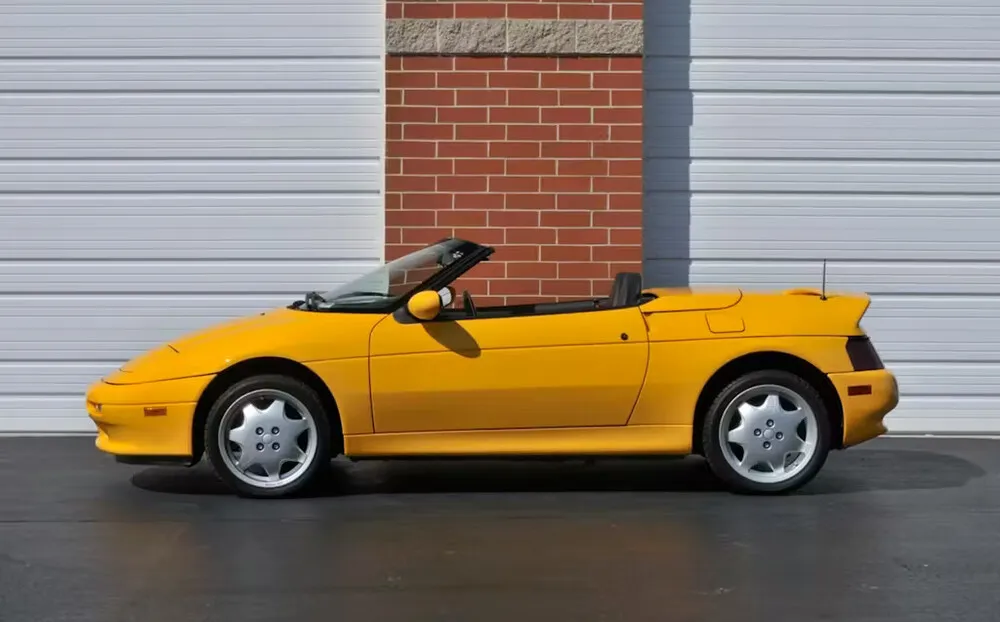
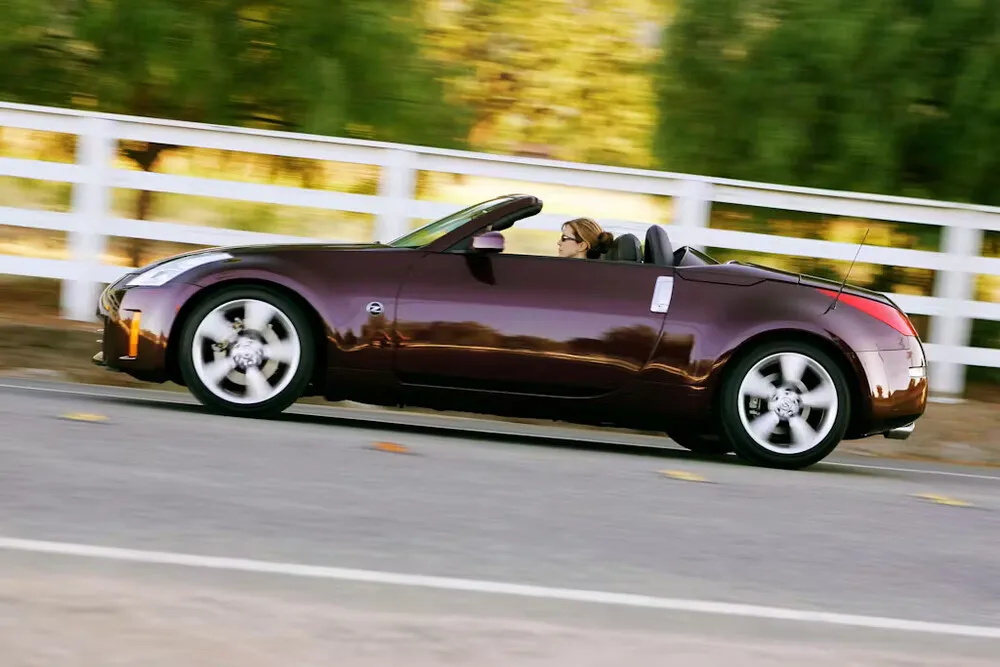
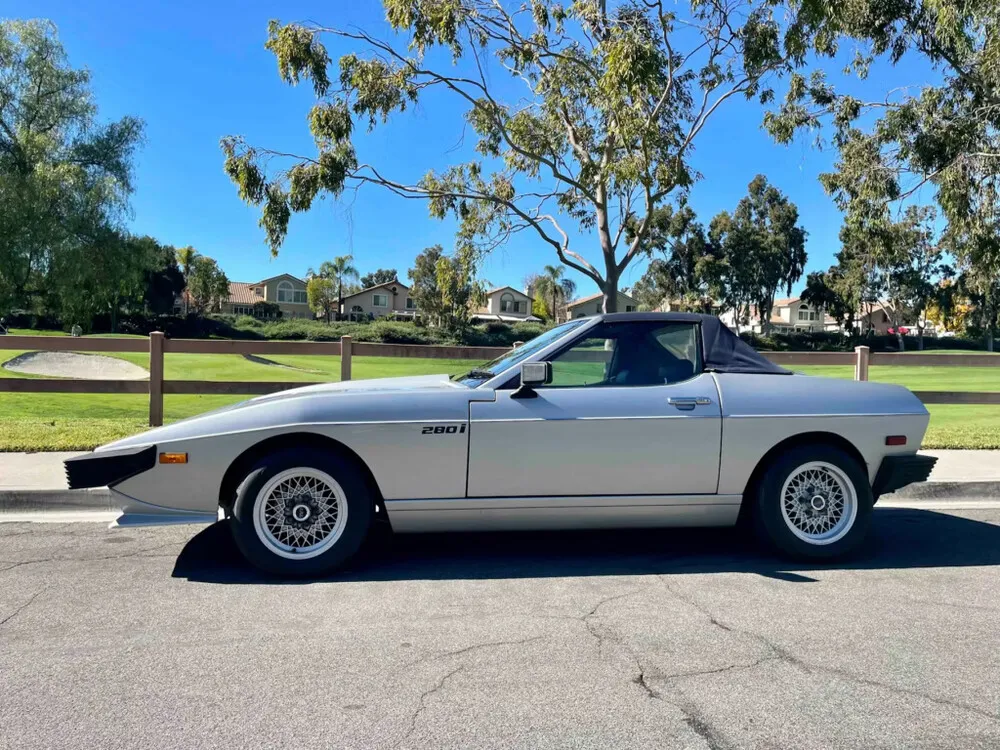
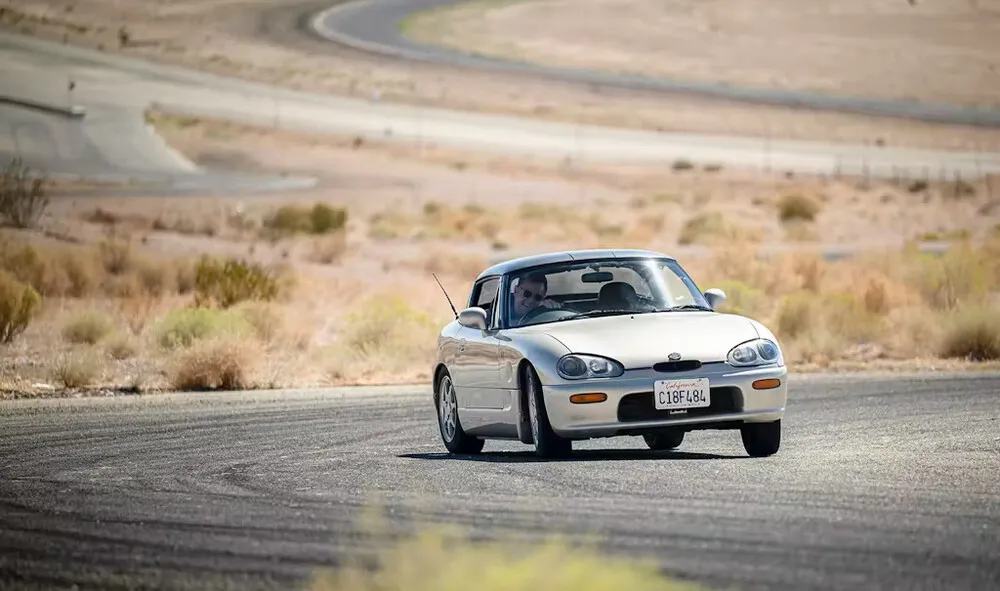
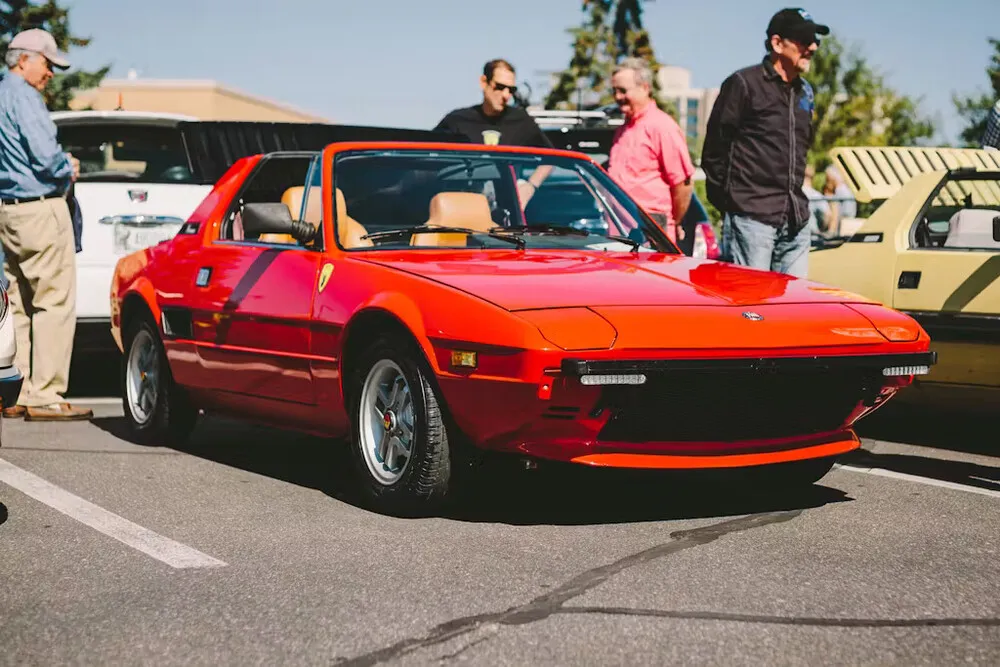
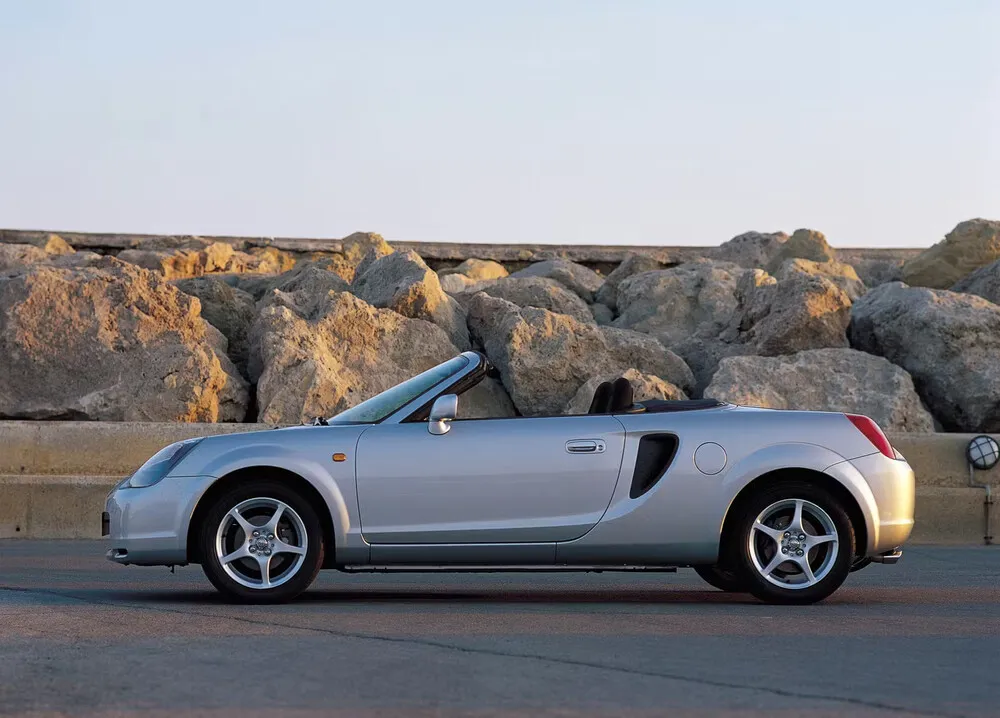
| Article by Andrew Newton, Hagerty Media It’s officially spring, and even though there’s still snow on the ground in some corners of this vast country of ours, most of us are starting to bring our fun cars out of hibernation and enjoying sunny days. There’s no better way to enjoy a sunny day drive than with a car that drops its top, so below are eight attainable open-air classics. They’re all worth under $25,000 in #2 (excellent) condition, and even less if you seek out a driver-quality example. 1996–2002 BMW Z3 Median #2 value: $18,400 While sporty sedans and coupes (and, more recently, SUVs) are BMW’s traditional bread and butter, the Bavarian company’s history is sprinkled with sexy two-seater convertibles, and the Z3 was the first mass-produced and relatively attainable BMW droptop. Assembled at the Spartanburg, South Carolina plant and sharing much of its platform with the contemporary (E36) 3-Series compact (other than its semi-trailing arm rear suspension, which came from the older E30 3 Series), it debuted in 1995 and even got a big publicity boost thanks to its appearance in Goldeneye the same year. Period rivals included the Mazda Miata, Mercedes-Benz SLK, Porsche Boxster, and, later, the Honda S2000. Z3s mostly look the same, but there is some variety under that long hood. Early ones only came with a 1.9-liter, 140-horsepower four-cylinder, but by the end of 1996, a smooth 2.8-liter, 190-horse straight-six was available. For ’99, the base engine became a 2.3-liter, 170-hp six, and by 2001 it was a 2.5, while the top motor in the lineup was a 3.0-liter, 225-hp six. By the end of production in 2002, BMW had moved nearly 300,000 Z3s. Naturally, that variety in performance translates to differences in price. Four-cylinder Z3s can be downright cheap, with quite good ones available in the low- to mid-teens. Final-year, 3.0-liter cars carry a $23,800 value in #2 condition. The M variants and the rarer coupe version of the Z3 exist in a different price point, though an early M Roadster with the less-powerful 3246-cc/240-hp S52 engine doesn’t stretch the budget too much at $27,100 in #2 condition. 1983–90 Alfa Romeo Spider Median #2 value: $17,200 Sold for nearly three decades, the Alfa Romeo Spider never stopped being beautiful, or fun. But it did evolve, and the Series 3 (S3) that came to the U.S. in 1982 brought a new look with better-integrated bumpers and a black trunk-mounted spoiler, as well as a more modern Bosch fuel injection system feeding Alfa’s familiar 2.0-liter twin-cam four instead of the troublesome SPICA mechanical injection system used previously. The Spider “Graduate” served as the base model, equipped with steel wheels, vinyl seats, and a vinyl top. The “Veloce” added leather chairs, canvas top, and Cromodora alloys, while the range-topping “Quadrifoglio” added a body kit, different alloy wheels, upgraded interior trim, standard A/C and power windows, and an optional, awkward-looking hardtop. The Series 3 is typically the most affordable of the Alfa Spiders, as the earlier cars have a more graceful, “classic” look to them, while the later Series 4 Spiders are quicker, better-developed, and arguably better looking. But every Alfa Spider is pretty inside and out, and Alfa’s Twin Cam four is a jewel of an engine, albeit sometimes troublesome. S3 values are straightforward, with Graduates in #2 condition ranging from $13,900 to $15,600, Veloces sitting at $17,200, and Quadrifoglios ranging from $19,400 to $24,000. 1991 Lotus Elan M100 Median #2 value: $23,800 As Mazda did with the original Miata, Lotus eyed the ’90s with a clever idea. The simple, affordable, and mostly British roadsters of old were long gone, but that didn’t mean there wasn’t a market for low-cost droptops. It was just that nobody built them anymore. Mazda and Lotus (then owned by GM) each stepped up to fill the void, but they took very different approaches. Mazda, wisely, looked back to the compact British two-seaters of the ’60s (including Lotus’ own original Elan), identified what made them good, added Japanese reliability, and distilled it all into the wildly successful MX-5. Lotus’ approach was more contemporary, but far less popular. Although its 1.6-liter, 165-hp turbocharged Isuzu four-cylinder endowed the new Elan (aka the “M100”) with plenty of pep, it also drove the front wheels. To purists, “front-wheel drive” and “Lotus” go together like ketchup and caviar, though the M100 has many defenders who will tell you all about how well it handles. The Elan also cost more than twice as much as the Miata that debuted at around the same time. The Lotus’ extra power, much better interior, and more storied badge just weren’t enough to justify the cost, and only a few hundred American buyers drove out of a Lotus dealership behind the wheel of one. Values haven’t done a whole lot in recent years, and the Elan M100 is currently the cheapest way to get into a car that has a Lotus badge and a top that goes down. 2004–08 Nissan 350Z Median #2 value: $23,600 After Nissan’s original 240Z turned the performance car world on its ear in the early ’70s, Z-cars gradually got fatter, more complex, and more expensive. The 300ZX exited the U.S. market after 1996, and until the 2003 model year, there was no Z at all in America. For the 350Z, Nissan went back to basics with a temptingly low-priced, naturally aspirated V-6 sports car. Nissan boasted “$50,000 performance for under $30,000,” and offered this latest Z with standard six-speed manual, optional viscous limited-slip differential, and pedals placed specifically for heel-and-toe downshifting. Evo magazine called it “hairy-chested, vaguely uncouth yet hugely desirable.” A “Roadster” model in select trims arrived for 2004. The 3.5-liter VQ-series V-6 in the Z made 287 hp in the early cars and 306 hp in the later ones, though it’s worth noting that the 350Z is a porky car and the convertibles are the porkiest, with the later ones tipping scales at 3600 pounds. Some other criticisms of the 350Z take aim at the interior. Even by early 2000s standards, it’s a cathedral of plastic in there, and the trunk isn’t as spacious as it looks. Coupes and Roadsters carry similar values currently, with the open cars commanding a slight premium. Condition #2 values range from $22,000 to $25,200, depending on year and trim. 1982–87 TVR 280i Median #2 value: $16,300 Called the Tasmin at home in the U.K. but given a rather BMW-sounding “280i” badge in the U.S., this car was a complete departure in the looks department from all previous TVRs. Instead of the clean curves on cars like the Grantura and M-series, there were now sharp angles and a wedge shape with all the elegance of a rubber door stop. Ex-Lotus man Oliver Winterbottom was responsible for the triangular body. “It was all a bit of a hurry, really,” TVR’s then-owner Martin Lilley later remembered. Beyond the wedge, though, the recipe for the 280i was familiar territory for the little company from Blackpool, including the tubular steel backbone chassis, punchy engine mounted just in front of the driver, rear-wheel drive, and low curb weight (about 2500 pounds). Bringing in parts from outside suppliers was another TVR tradition, and in the Tasmin’s case, there is a smorgasbord of Ford bits throughout. In the U.S. market 280i’s case, that included a German-built, 2.8-liter “Cologne” V-6 good for 160 hp and 162 lb-ft. Tasmins with four- and eight-cylinder engines were sold elsewhere, but not here. Only a few hundred examples of the 280i made it to our shores before TVR left the U.S. market once and for all. The usual TVR caveats of frame rust and build quality issues apply for anybody looking to buy a 280i, but these cars reportedly handle beautifully, their Cologne V-6s are quite pleasingly torquey, and they have surprisingly handsome interiors. The two-piece, three-position top is also a nifty idea that includes a removable center roof section that effectively makes the car a targa, as well as a soft-top rear section that folds down for the full convertible experience. Rare, interesting, and fun but also obscure, trouble-prone, and a little homely, these TVRs are still cheap. The most expensive one sold in recent memory barely brought 20 grand. 1991–98 Suzuki Cappuccino Median #2 value: $18,700 Even though it’s named for a rejuvenating Italian drink, the Suzuki Cappuccino is distinctly Japanese in character. At 130 inches long and 55 inches wide, its dimensions fall just within the keijidosha (aka “kei”) class of road vehicles in that country, which qualify for lower tax and insurance rates. It bears more than a passing resemblance to the export-oriented Miata, but the too-cute Cappuccino is nearly a foot narrower and over 2 feet shorter. Its 658-cc, 64-hp, 12-valve turbo triple lives just ahead of the driver, and the whole car weighs about 1600 pounds. Like the TVR above, it has a multi-piece top, but Suzuki added an extra party piece. Its three aluminum removable roof panels mean that a Cappuccino can be a coupe, a T-top, a targa, or a roadster. Condition #2 values range from $17,800 to $19,600, with later models commanding a bit more. But they’re not super easy to find, as Suzuki only built 26,480 examples to begin with, and none of them sold in America when new. 1974–82 Fiat X1/9 Median #2 value: $20,400 Developed from a Bertone-designed Autobianchi concept car, the X1/9 boasted a transverse mid-engine layout underneath a well-proportioned wedge shape penned by the famous Marcello Gandini. But its small size, four-cylinder engine, and Fiat badge made it reasonably priced. Indeed, that was a huge selling point. One ad boasted: “The mid-engine makes it unique. But the price makes it exceptional.” Another compared the $5195 Fiat to a $28,000 Ferrari, $21,700 Maserati, and $24,150 Lamborghini: “Is the X1/9 a $28,000 Ferrari in disguise? We think not. Is it the best $5195 sports car you’ve seen in years? We think so.” The overhead cam fours that powered X1/9s were all peppy but never particularly powerful, though the later 1498-cc/75-hp mill is a welcome upgrade from the 1290-cc/61-hp early ones. The five-speed added in 1978 was another welcome update. Then, in 1982, Fiat retreated from the U.S. market for the first time. The same year, X1/9 production was turned over to Bertone, which in turn sold it as the “Bertone X1/9” until 1989. In the U.S., the Bertone was imported and marketed by serial automotive entrepreneur Malcolm Bricklin. All X1/9s are cute mini-exotics, and all have a removable center roof section that turns them from closed coupe to open targa for sunny day cruising in a few seconds. Condition #2 values range from $20,100 to $21,100 for the ones that wear a Fiat badge, while the Bertone-branded ones are worth $20,300. 2000–05 Toyota MR2 Spyder Median #2 value: $20,600 Like the Nissan 350Z above, the third (and for now final) generation of Toyota MR2 was a back-to-basics, downmarket move that followed a pricey, complex, twin-turbocharged predecessor. But this last Mister Two was still a sharp, competent mid-engine sports car, tipping the scales at just 2200 pounds and pushed along by the zingy 1.8-liter, 138-hp 1ZZ-FE four-cylinder borrowed from the Celica GT. It’s not a stretch to view it as a more civilized, albeit significantly slower, alternative to the also Toyota-powered Lotus Elise. This car’s actual rival, though, was the NB (1999-2005) Miata. Shorter overall but riding on a slightly longer wheelbase, less powerful but lighter in weight, it was inevitably compared to the perennial cheap roadster from Mazda. A 2001 Motor Trend comparo didn’t come out with a clear winner, but included notes like “though the Toyota is marginally quicker, it doesn’t seem as happy on the job,” and “it costs a few bucks more than the Miata, but is probably worth it in the form of extra hardware … and slightly better performance. But it’s just not as much fun.” The third-gen MR2s cost about $23,000 when new, and until fairly recently, they were still very cheap sports cars. At the beginning of 2020, for instance, their condition #2 value was still just $10,000. That shot up to over $20K by 2024, and today an MR2 is worth more than its old Mazda rival, as the NB Miata currently carries a median #2 condition value of $16K. |
|
Members profile: |
|
| Advertised by: | The Best Articles and Stories (click here to see full profile) |
| Email: | Email Advertiser |
Ad Details |
|
| Garage Spaces (put 0 if this does not apply) | 100.00 |
| Price: | $0 USD |
| City | Detroit |
| State | MI |
| Country | USA |
| Ad id: | 31665286 |
| Views: | 3932 |